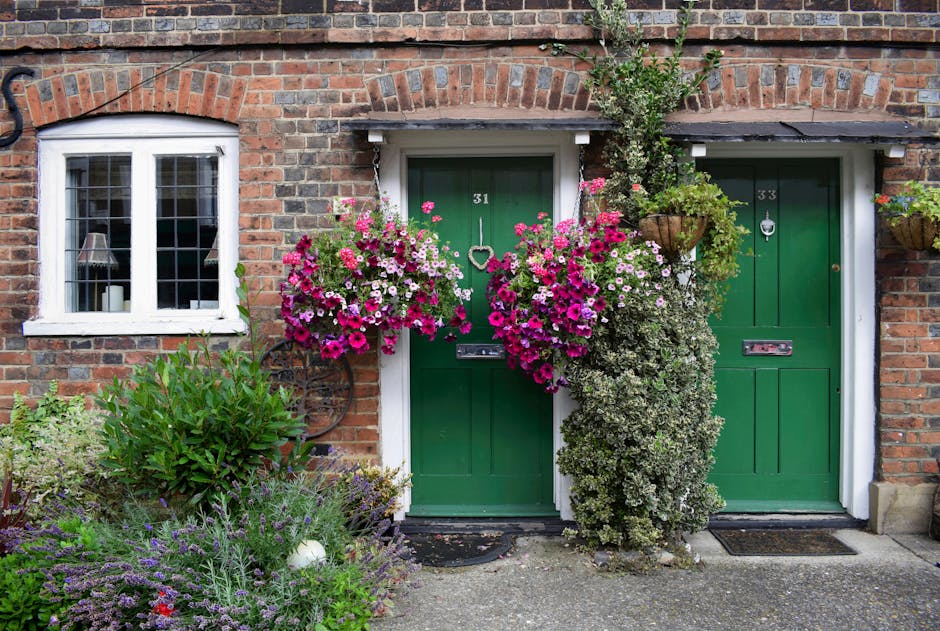
Finchley Central N12 gardeners for small front gardens
If you live in Finchley Central and your front garden is more "neat patch of green" than sprawling lawn, you already know the challenge. Small front gardens look simple from the pavement, but they ask for a surprising amount of care: tidy edges, healthy planting, manageable watering, and a layout that does not feel crowded by the gate, path, bins, or brickwork. That is where Finchley Central N12 gardeners for small front gardens can make a real difference.
Done well, a compact front garden can lift the whole look of a home. It should feel welcoming, not fussy. Private, but not hidden. Easy to maintain, but still full of life. In this guide, we will look at how local gardeners approach small front gardens, what services tend to help most, where people often go wrong, and how to decide what kind of support is actually worth paying for. To be fair, a few clever choices can save you a lot of weekend hassle.
We will also cover practical steps, a comparison of common approaches, a realistic example, and a checklist you can use before booking work. If you are also comparing broader garden help, it may be useful to look at the full range of Finchley garden services and the provider's pricing and quotes information as you plan next steps.
Table of Contents
- Why Finchley Central N12 gardeners for small front gardens Matters
- How Finchley Central N12 gardeners for small front gardens Works
- Key Benefits and Practical Advantages
- Who This Is For and When It Makes Sense
- Step-by-Step Guidance
- Expert Tips for Better Results
- Common Mistakes to Avoid
- Tools, Resources and Recommendations
- Law, Compliance, Standards, or Best Practice
- Options, Methods, or Comparison Table
- Case Study or Real-World Example
- Practical Checklist
- Conclusion
- Frequently Asked Questions
Why Finchley Central N12 gardeners for small front gardens Matters
A small front garden does not have the luxury of wasted space. Every edge, plant, and path line changes how the whole property feels. In Finchley Central N12, where front gardens often sit close to pavements and street views, a tidy, well-planned space can make a house look cared for straight away. That first impression matters more than many people realise.
Small gardens also behave differently from larger ones. They dry out faster in sunny weather, can become cramped quickly, and show neglect more clearly. A slightly overgrown shrub that might be forgiven in a large back garden can swallow a small front plot in a matter of weeks. One missed trim, and suddenly the windows look hidden. You know the feeling.
Local gardeners who understand compact spaces tend to focus on proportion, simple maintenance, and seasonal rhythm rather than dramatic redesigns. That is usually the right approach. In a front garden this size, restraint is often smarter than ambition. A little structure goes a long way.
There is also a practical side. Small front gardens often need ongoing touch-ups rather than occasional big jobs. That means efficient mowing, border tidying, weed control, hedge trimming where needed, and keeping access clear. If you want a garden that stays neat without becoming a burden, regular care is usually better than one-off rescue work.
For homeowners who want a dependable, tidy outdoor frontage without the fuss, local support from a gardener who knows the area can be especially useful. It helps when they understand London-style spacing, common paving layouts, and the reality of working around narrow paths and close neighbours. It sounds minor, but it saves time and avoids awkward mistakes.
Key takeaway: Small front gardens need a different kind of gardening mindset - more precision, less bulk, and a strong eye for proportion. The best result is usually calm, tidy, and easy to maintain.
How Finchley Central N12 gardeners for small front gardens Works
In practice, the service usually starts with a quick assessment of the space. A good gardener will look at sunlight, drainage, access, existing planting, soil condition, and how the front garden connects to the house and pavement. They are not just asking, "What can I cut?" They are asking, "What is this garden trying to be?"
For a small front garden, the work often falls into a few clear categories:
- Routine maintenance: mowing, edging, deadheading, weeding, and general tidy-ups.
- Plant care: pruning shrubs, lifting tired plants, replacing poor performers, and shaping growth.
- Structure and presentation: keeping borders crisp, paths clear, and entrance areas welcoming.
- Seasonal refreshes: planting for spring colour, summer resilience, or autumn interest.
- Light redesign: making the space feel bigger by improving layout and plant balance.
Because the space is small, the order of operations matters. First comes the reset: removing dead growth, weeds, and anything blocking the shape of the garden. Then comes the shaping: deciding what stays, what gets reduced, and where the eye should go. Finally, the finish: edging, sweeping, and making sure the front of the property feels clean from the pavement.
In many cases, the best results come from a modest recurring schedule. A front garden that is checked every few weeks tends to stay presentable with much less effort than one left for a dramatic overhaul twice a year. That is just reality, really. The garden does not care about your calendar.
When choosing a service, it can help to review the provider's service overview and practical guidance on health and safety expectations so you know how work is typically handled on site.
Key Benefits and Practical Advantages
The benefits of skilled small-front-garden care are not abstract. You can see them from the street, from the hallway window, and often in how much easier the house feels to look after.
A better first impression
Front gardens do a lot of silent work. They frame the property, soften hard brick lines, and give visitors a sense of order before they reach the door. A neat compact border or well-cut lawn can make a small home feel much more settled.
Less weekly effort for you
Small garden spaces can still become time drains if they are not managed well. Regular care reduces the little jobs that pile up: weeds through paving, overhanging stems, muddy patches, and the constant "I'll do it next weekend" feeling. That feeling, by the way, is a notorious liar.
Better use of limited space
In a small front garden, every square metre counts. A good gardener can make it feel larger by simplifying the layout, controlling plant bulk, and using clean lines. Sometimes removing one overgrown shrub does more than adding three new plants.
Safer and easier access
Front paths, steps, and entrances need to stay clear. This matters for deliveries, bin movement, visitors, and anyone with reduced mobility. A tidy, level approach is not just nice to have. It is one of those quiet improvements that makes daily life easier.
Healthier plants
Small gardens often suffer when plants are left to compete for space, light, and water. The right pruning and spacing approach can improve airflow, reduce stress, and stop one dominant plant from taking over the whole scene.
Better seasonal resilience
Front gardens in London face a mix of conditions: dry spells, shade from nearby buildings, reflected heat, and occasional heavy rain. A gardener who understands this will choose plants and maintenance routines that cope better with local conditions.
| Outcome | What it looks like in a small front garden | Why it matters |
|---|---|---|
| Neat presentation | Crisp edges, trimmed growth, clear paths | Improves kerb appeal immediately |
| Lower upkeep | Fewer weeds, manageable planting, less overgrowth | Saves time week to week |
| Better space use | Simpler layout, balanced proportions | Makes a small garden feel larger |
| Healthier planting | Right-sized shrubs and seasonal planting | Reduces plant stress and decline |
Who This Is For and When It Makes Sense
This kind of gardening support is a strong fit for homeowners who want the front of their property to stay smart without spending every spare hour on it. It is especially useful if the space is small enough that mistakes are obvious. A single awkward shrub can dominate. A patch of weeds can make the whole place look tired.
It makes sense if you:
- have a narrow or compact front garden in Finchley Central N12
- want regular maintenance rather than a full landscaping project
- need a tidy frontage for day-to-day pride, not just special occasions
- find pruning, edging, or planting decisions a bit fiddly
- are preparing a home for sale or rental presentation
- have mobility issues or simply do not want to keep bending, lifting, and trimming
It may also suit landlords and managing agents who need a reliable, presentable entrance area. Small front gardens are often the first thing tenants, guests, or prospective buyers notice. If that area feels neglected, people tend to assume the rest of the property has the same energy. Harsh, but true.
If you are deciding whether to go for a recurring service or just occasional help, ask yourself one simple question: do you want the garden to recover now and then, or stay consistently neat? That answer usually points you in the right direction.
Step-by-Step Guidance
Here is a practical way to approach a small front garden project without making it more complicated than it needs to be.
- Assess the space honestly. Look at what is thriving, what is crowding the area, and what you rarely notice because it has always been there.
- Decide the purpose. Is the garden mainly decorative, low-maintenance, or a mix of both? A front garden needs a clear job.
- Clear the clutter first. Remove dead leaves, spent plants, damaged pots, and anything that blocks the entrance or path.
- Deal with the structure. Trim hedges, shape shrubs, and define edges so the garden has visible form again.
- Improve the planting balance. Keep a few good plants rather than cramming in too many. Small space, small number, better effect.
- Address weeds and bare patches. These are the things that make a tidy garden look untidy very quickly.
- Choose maintenance-friendly finishes. Mulch, gravel, or compact planting may help, depending on the site.
- Set a repeating schedule. Small front gardens do best with regular touch-ups, not heroic rescue missions.
A useful trick: stand at the pavement and look back at the garden the way a visitor would. What jumps out first? A good gardener thinks from that angle all the time. It is a simple habit, but it changes decisions fast.
For people comparing services and payment options, the provider's payment and security guidance and quote information can help set expectations before any work starts.
Expert Tips for Better Results
Small gardens reward careful choices. The aim is not to do everything. It is to do the few things that matter most.
Keep plant proportions modest
In a front garden with limited depth, oversized shrubs can create permanent clutter. Choose plants that suit the space at maturity, not just at the moment you buy them. This is one of the most common errors, and it is easy to make in a rush at the garden centre.
Prioritise clean lines
Sharp edges around lawns, paths, and beds help a small garden feel intentional. Softness is lovely in planting. Less so in borders that drift everywhere.
Use repetition sparingly
Repeating one or two plant types can create calm, which is useful in a tiny front garden. Too many different colours and heights can make the space look busy in a bad way.
Think in layers
A layered front garden does not have to be crowded. You can still create depth with low groundcover, a middle layer of compact shrubs, and one focal point. The trick is keeping each layer tidy.
Respect the entrance
Whatever else you do, leave room around the doorway and path. You do not want plants brushing coats, hiding house numbers, or making post delivery awkward.
Choose maintenance you will actually keep up
Truth be told, a slightly less ambitious garden that stays neat is better than a beautiful design that collapses after six weeks. A good gardener will help you think realistically, not just aesthetically.
Where sustainability matters, it may also be worth checking the provider's approach to recycling and sustainability, especially if pruning, clippings, or plant waste will be removed regularly.
Common Mistakes to Avoid
Small front gardens are easy to overwork. And once they tip into clutter, they can look tired very quickly.
- Overplanting. Too many plants creates visual noise and long-term maintenance headaches.
- Choosing fast-growers without a plan. Quick growth sounds good until it blocks light and narrows the path.
- Ignoring access lines. A front garden should work with foot traffic, not fight it.
- Letting borders blur. Undefined edges make even healthy planting look untidy.
- Forgetting drainage. Small front gardens can puddle after rain, especially if surfaces are compacted.
- Picking plants for a catalogue photo. Nice images are one thing. Real London weather is another.
- Skipping regular maintenance. A tidy small garden rarely stays tidy by accident.
One more thing: do not assume every bare patch needs to be filled. Sometimes the space is better left open. A little breathing room can make the whole frontage feel brighter and calmer.
Tools, Resources and Recommendations
For small front garden work, the right tools are usually simple, not flashy. In fact, oversized tools can be awkward in tight spaces.
- Hand shears or compact hedge trimmers: useful for controlled shaping near paths and walls.
- Sharp edging tool: helps keep borders crisp.
- Lightweight rake and hand fork: ideal for clearing leaves and loosening compacted soil.
- Secateurs: essential for precise pruning and deadheading.
- Watering can or controlled hose: better than blasting young plants with too much water.
- Mulch or bark: can help retain moisture and reduce weeds if used appropriately.
For homeowners who want a professional approach, a good starting point is to look at the company's wider gardening services and then compare that with your own needs. Do you need maintenance, pruning, waste removal, or a simple tidy-up? Being clear saves time for everyone.
If you rely on the garden being accessible for family members, deliveries, or visitors, it is sensible to review the site's accessibility information too, especially if you are weighing up how easily service arrangements can be handled.
Law, Compliance, Standards, or Best Practice
For most domestic front garden work, the main concerns are not complicated legal issues. They are safe working practices, reasonable neighbour awareness, and responsible waste handling. That said, there are a few good standards worth keeping in mind.
Safety first: tools should be used carefully around paths, steps, and entrances. If a gardener is working near the public pavement or removing debris, the area should be managed so it does not create a slip or trip hazard. It sounds obvious, but in a small front garden there is very little room for error.
Waste handling: garden waste should be removed or disposed of responsibly. Many homeowners prefer clippings and cuttings to be recycled where possible. That is one reason it helps to ask about the provider's health and safety approach and their insurance and safety cover before booking.
Property boundaries: if a front hedge, wall, or border sits near a neighbour's space, it is best to avoid cutting anything beyond your boundary without agreement. Good gardeners know how to keep work neat and respectful.
Professional conduct: a reliable service should be transparent about pricing, payment expectations, and complaint handling. If you ever need reassurance on how a provider manages customer concerns, the complaints procedure is worth reading in advance. Nobody likes to think about that part, but it is better to know the process than to guess.
There are also general ethical and business standards behind the scenes, including documents such as a modern slavery statement, which signals that a business is taking responsible supply chain practices seriously. For most readers, that may not be the first thing they look at, but it does contribute to trust.
Options, Methods, or Comparison Table
If you are deciding how to manage a small front garden, the main question is usually whether to do it yourself, book one-off help, or set up regular maintenance. Each has a place.
| Approach | Best for | Pros | Trade-offs |
|---|---|---|---|
| DIY maintenance | Very small, simple gardens | Lowest direct cost, full control | Time-consuming, easy to let slip, requires tools and confidence |
| One-off tidy-up | Overgrown spaces or seasonal resets | Fast improvement, useful before selling or hosting | Can revert quickly without follow-up |
| Regular gardener visits | Busy households, tidy frontages, ongoing upkeep | Consistent appearance, less effort, better plant health | Ongoing cost, needs clear expectations |
For many Finchley Central households, regular visits strike the best balance. Not because every garden needs the same thing, but because small front gardens tend to lose their shape when left too long. A bit of ongoing care keeps the job manageable. Simple as that.
Case Study or Real-World Example
Imagine a narrow front garden on a typical Finchley Central street: a short path to the door, one compact lawn strip, a couple of tired shrubs, and a border that has gradually filled with weeds. Nothing dramatic. Just a space that has slowly slipped from "fine" to "slightly apologetic."
A local gardener might start by clearing the border, cutting back the shrubs to a sensible size, edging the lawn, and removing anything that blocks the entrance. If one plant is too large for the space, it might be reduced or replaced with something lighter and easier to maintain. A small layer of mulch could be added to help suppress weeds and make the bed look finished.
After the tidy-up, the garden would not need to become complicated. Two or three compact plants, enough open space to show the path and doorstep, and a recurring maintenance visit every few weeks. The whole frontage would feel calmer. Not flashy. Just right.
That is the thing with small front gardens. Good work does not always shout. Sometimes it simply makes the house look like someone cares. And that matters.
Practical Checklist
Use this before you book a gardener or plan your own work.
- Is the main goal tidy maintenance, a refresh, or a light redesign?
- Do the plants suit the actual size of the space at maturity?
- Is the entrance area clear and easy to walk through?
- Are borders, lawn edges, and paths visually defined?
- Is there enough room for access, bins, deliveries, and daily use?
- Have weeds, dead growth, and broken items been removed?
- Will the chosen finish be realistic to maintain?
- Do you want one-off help or recurring visits?
- Have you checked pricing, payment, and safety details?
- Is waste disposal or recycling part of the plan?
If you can answer most of those with confidence, you are already ahead of the game. Really ahead.
Conclusion
Small front gardens in Finchley Central N12 can be deceptively high-impact. They shape the first impression of a home, influence how easy the property feels to maintain, and respond best to steady, thoughtful care rather than overcomplicated makeovers. The right gardener will understand proportion, access, seasonal growth, and how to keep things simple without making the space feel plain.
Whether you need a one-time tidy or ongoing maintenance, the key is to choose a service that treats your front garden as a living part of the home, not just another quick job. If the space is compact, the details matter even more. A crisp edge, a sensible plant choice, a clean path, and a bit of regular attention can transform how the whole property feels when you step outside in the morning.
Get a free quote today and see how much you can save.
Sometimes the smallest gardens give the biggest sense of calm. That quiet, tidy feeling when you open the front door? Hard to beat.
Frequently Asked Questions
What do Finchley Central N12 gardeners for small front gardens usually do?
They usually handle routine maintenance such as edging, mowing, pruning, weeding, tidy-ups, and light planting. In a compact front garden, the work often focuses on keeping the space neat, balanced, and easy to manage rather than making large structural changes.
How often should a small front garden be maintained?
That depends on planting and season, but many small front gardens benefit from regular attention every few weeks during active growth. If the space has fast-growing shrubs or a lawn, leaving it too long can quickly undo the neat look.
Is a small front garden worth professional help?
Often yes. Small spaces show untidiness more clearly, so a professional can make a visible difference quickly. If you want a smart frontage without spending your weekends on it, it is usually a sensible investment.
Can gardeners help make a small front garden look bigger?
Yes. They can simplify the layout, reduce overcrowding, improve edging, and choose plants that do not overwhelm the space. A lighter, cleaner design often makes a small garden feel more open.
What plants work best in a compact front garden?
The best plants are usually compact, slow to medium growing, and suited to the light levels and soil conditions you actually have. It is better to choose plants that stay in proportion than to chase a dramatic look that becomes hard to control.
Should I book a one-off tidy or regular maintenance?
If the garden is already in reasonable shape, regular maintenance tends to keep it looking good with less effort. If it has become overgrown or cluttered, a one-off tidy-up may be the better starting point before moving to a schedule.
How much does small front garden gardening cost in Finchley Central?
Costs vary by the size of the space, the amount of work needed, and whether waste removal or repeated visits are included. The safest approach is to request a tailored quote rather than guess based on a generic price.
Do I need to prepare the garden before the gardener arrives?
It helps to clear personal items, move vehicles if needed, and give access to gates or water taps. A quick reset of the area usually helps the gardener spend more time on the actual work.
Can small front gardens be more sustainable?
Yes. A compact garden can be made more sustainable through sensible plant choices, mulching, reduced waste, and careful watering. You do not need a huge space to make environmentally thoughtful choices.
What if I want low-maintenance rather than decorative planting?
That is very common, especially for front gardens. A gardener can help you choose simple planting, tidy hard edges, and practical surfaces or mulch so the space stays neat without constant work.
How do I know if a gardener is trustworthy?
Look for clear communication, transparent pricing, sensible safety practices, and useful policy pages such as insurance and complaints information. A professional business should be easy to understand and straightforward to deal with.
Can a gardener help if my front garden is awkwardly shaped?
Yes. Awkward shapes are often where professional judgement is most helpful. A good gardener can work with narrow runs, uneven borders, tight access, and odd corners without making the space feel cramped.
If you are ready to improve a small front garden in Finchley Central, start with a simple plan, ask practical questions, and choose the team that understands what a compact space really needs. A little care goes a long way.