Lawn Mowing in Finchley

Lawn mowing in Finchley should be neat, regular and suited to the condition of the grass, not treated as a one-size-fits-all task. Our service focuses on keeping domestic and commercial lawns tidy through routine cutting, edging and finishing that leaves the surface ready for everyday use. Whether a lawn needs a simple maintenance visit or a more involved tidy-up after a period of growth, the aim is always a clean, even result that supports the rest of the garden.
For many customers, the value of steady lawn care is in consistency. Grass that is cut at sensible intervals tends to look better for longer and is easier to keep under control. We work with the practical needs of the garden rather than forcing an unnecessary schedule, and we can also combine mowing with related upkeep where needed. If you are comparing options, it helps to think about the finish you want, the shape of the lawn and any edges, borders or access points that need attention.
Regular mowing is only one part of a well-kept garden, so this page also covers connected services that support a better overall result. Those can include general garden maintenance, hedge trimming, clearance work, landscaping, decking-related improvements and tree work when a site needs more than just the grass cut. If you are ready to request a quotation, begin with the main service you need and then ask for the level of care that suits your outdoor space.
Routine mowing and tidy finishes
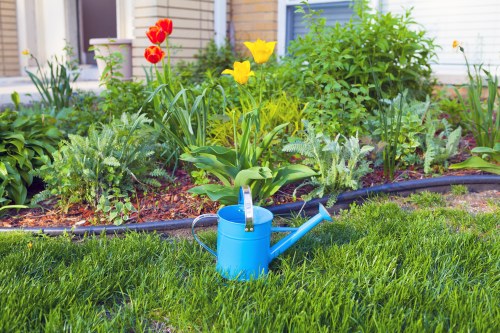
Routine mowing is usually about more than simply taking the height down. A careful visit considers the condition of the lawn, the pattern of growth and how the edges meet paths, beds and fences. A tidy cut can improve the look of a front garden immediately, while a well-kept rear lawn often becomes easier to use for seating, play or general day-to-day enjoyment. The finish matters, because uneven passes or missed margins make even a short cut look rushed.
We can also pay attention to details that shape the overall impression of the lawn. These include edging where grass meets hard surfaces, clearing away clippings when appropriate and adjusting the work to suit the time of year. In wetter periods, cutting too low can leave the turf looking stressed, while longer dry spells may call for a gentler approach. Good mowing is therefore practical and responsive rather than purely mechanical.
What a careful mowing visit may include
Depending on the condition of the grass and the size of the area, a visit may involve several useful steps:
- even mowing across the main lawn area
- tidying edges beside paths, borders and drives
- removing light clippings where this is appropriate
- checking for awkward corners that need a neater finish
- keeping the cut consistent with the lawn’s condition
Garden maintenance beyond the grass

Many lawns sit within gardens that also need broader upkeep. That is why we treat mowing as part of a wider maintenance picture when the job calls for it. Garden maintenance can include ongoing tidying, light seasonal clearance, hedge cutting and the general control of growth that begins to crowd lawns, borders and access routes. This keeps the space usable and avoids the common problem of the grass being cut while everything around it continues to look overgrown.
Where a lawn borders shrubs, hedges or beds, the finish often depends on how those features are managed. Low branches, trailing growth and uneven edges can make mowing less efficient and leave the garden looking unfinished. In those cases, the work may be planned so the grass and surrounding planting are both brought back into shape. That approach is especially helpful where a customer wants the garden to look cared for as a whole, not just trimmed in one place.
For broader upkeep, our garden maintenance service can sit alongside mowing when a site needs a more complete refresh. In some gardens the right next step is also hedge trimming, especially where plant growth begins to cast shade or narrow the usable area. If the garden has become difficult to manage, a combined visit can make the mowing more effective and the result more balanced.
Dealing with overgrown or neglected areas
Not every lawn is ready for a routine cut. Some need a slower, more controlled approach because the grass has become long, patchy or tangled with debris. In those situations, mowing may need to be staged so the lawn can be brought back into shape without damaging the surface. That can involve cutting down growth gradually, clearing away obstructions and deciding whether the site needs extra tidying before a normal mowing pattern can resume.
When grass has been left for too long, the work may also reveal problems around the edges of the site. Fallen leaves, broken branches, old garden waste or encroaching plants can prevent a clean finish and make the lawn harder to maintain in future. A sensible response is to remove that material first or pair mowing with a clearance service so the grass has room to recover. This is especially relevant where the lawn is part of a larger garden that has lost structure over time.
For more extensive outside spaces, our garden clearance service can help prepare an overgrown area before mowing is resumed. In gardens where the layout itself needs more than a tidy-up, landscape gardening may be the better fit because it addresses the shape and function of the space as well as its maintenance. Landscaping is also worth considering when the aim is a more substantial improvement rather than simple routine care.
Edges, borders and the finish around the lawn

A professional-looking lawn often comes down to the edges. Even when the centre of the grass is cut evenly, untidy borders can make the whole garden look unfinished. Careful mowing should leave a sensible line where the lawn meets paving, timber, fencing or planted areas. That detail is important because it shapes how the eye reads the space, and because clean margins generally make later maintenance easier.
Different gardens call for different choices around the perimeter. Some need sharper definition beside paving or driveways, while others benefit from a softer transition near flower beds or shrubs. Where there are steps, awkward corners or narrow side passages, the work may need a more measured method than a straightforward open lawn. The right approach depends on access, surface type and how much finishing detail the customer wants included in the visit.
Where edging issues are linked to other garden features, additional services can help the overall result last longer. A lawn that sits beside raised timber, for example, may look better after related improvements, while a garden with dense growth near boundaries may need more regular trimming. In larger projects, decking services can form part of the wider outdoor plan, especially where the lawn joins a seating area or hardstanding that needs a cleaner relationship with the rest of the garden.
How to prepare for a quotation
When you ask for a quotation, the most useful information is the practical detail that affects the work. A clear description of the lawn, its approximate size and any access limits helps the job be assessed properly. It is also useful to mention whether the grass is routinely maintained or has become long, and whether any adjoining areas need attention at the same time. That gives a better basis for a considered price discussion than a very short request.
If you can note obstacles, gates, pets, steps or parts of the garden that are difficult to reach, that helps to shape the proposal as well. Photographs can be helpful too, especially where the lawn has uneven sections, thick growth or a layout that is not easy to describe in words. If the site includes multiple tasks, it is sensible to mention them together so the work can be planned efficiently rather than split into separate visits without need.
For people who like to compare services first, the services overview gives a broader view of the kinds of outdoor work available. When you are ready to move ahead, our pricing and quotes page is the best place to request figures for the mowing or related garden work you need. A concise enquiry is usually enough to begin, so send the key details and ask for a quote.
Supporting work for healthier garden boundaries

Mowing often works best when the surrounding growth is controlled too. Lawns that sit under heavy overhanging branches, beside fast-growing hedges or next to unmanaged borders can quickly lose their shape. In those cases, trimming back the boundary growth helps light and access reach the grass more evenly. This is not about turning a lawn job into a full redesign; it is about making sure the mowing can achieve a cleaner and more lasting result.
Where trees or larger shrubs are affecting the garden, related work may be needed before the lawn can look its best. This can be especially relevant where the lawn receives little light, where leaves and twigs are regularly dropped on the surface, or where a boundary has become crowded. Careful management of those features can reduce repeated tidying and make maintenance more straightforward. A lawn does not exist in isolation, and its condition is often linked to the growth around it.
If larger vegetation is part of the issue, the service menu includes tree lopping and removal for situations where woody growth has become unsuitable, as well as hedge trimming for neater boundary control. In some gardens, the best long-term answer is a mix of mowing and broader upkeep rather than a single isolated task. That gives the grass more room to be cut and maintained cleanly.
About Finchley
Finchley is a district in north London with a long history shaped by its position on the route between the city and the northern suburbs. Today it is generally understood as a set of areas rather than a single compact centre, with East Finchley, North Finchley and Finchley Central each contributing to the wider identity of the district. The area is known for a mix of suburban streets, high roads, parks and varied housing, ranging from older terraces to later residential developments. Its name appears in records that go back many centuries, and the landscape still reflects both its historic village origins and its later growth into part of the capital’s outer urban fabric. Finchley Common was once a much larger open expanse but was gradually enclosed and built upon, leaving traces of a past that can still be sensed in the open spaces and road patterns of the present-day area. Public transport links, local shops and community facilities have long made the district a practical place to live and visit. The area also contains well-used green spaces such as Victoria Park and parts of the London Borough of Barnet’s wider park network, along with streets and landmarks that show the layering of different periods of development. Architectural variety is one of Finchley’s defining features: larger civic buildings, interwar homes, post-war housing and more recent additions sit alongside older structures, creating a streetscape that is mixed rather than uniform. Cultural life is supported by libraries, places of worship, local venues and everyday high street activity, while the district’s position in Barnet keeps it closely tied to the broader life of north London.
Landscape support for fuller garden projects
Some customers looking for lawn mowing also want the rest of the garden brought into better balance. In those cases, it can be useful to think about the site as a connected outdoor space rather than a single patch of grass. Path edges, planting layout, level changes and seating areas all affect how mowing looks and how easy the lawn is to keep in shape. When those elements work together, the garden usually needs less effort to stay presentable.
Where improvements are more than simple maintenance, practical landscaping can help reshape the area so the lawn is easier to care for. That may involve adjusting the relationship between grass and hard surfaces, improving the flow around borders or creating a neater division between active and decorative parts of the garden. The purpose is not to overcomplicate the site, but to make the lawn fit naturally within the wider layout.
For customers considering a broader refresh, landscaping and landscape gardening both sit naturally alongside mowing when a garden needs structural improvement as well as upkeep. Where there is also a desire to improve outdoor living space, decking services can complement the lawn by creating a practical surface next to the grass. If the garden is being revised in stages, it helps to think in terms of the whole space rather than one task alone.
Book mowing that suits your garden
The best lawn mowing service is one that matches the garden rather than forcing the garden to match the service. Some lawns need regular light maintenance, some need help recovering from neglect and some work best when the mowing is planned alongside hedge, clearance or landscaping support. By keeping the approach flexible and the finish neat, it is possible to maintain a good-looking lawn without unnecessary disruption to the rest of the site.
If you are unsure what level of work is appropriate, start with a short description of the grass, the garden layout and the outcome you want. That is usually enough to decide whether a routine cut, a fuller tidy-up or a wider maintenance visit is most suitable. It also helps to mention any awkward boundaries, difficult access or other areas that need attention, because those details can influence how the job is planned and priced.
To get started, ask for a quotation today and include the main features of your lawn and garden. If you want to compare the available options first, the contact-us page is the best place to begin your enquiry, and it can lead into the right next step for your outdoor space.